From Istanbul to Iron Country: The Turkish Coaching Exodus Quietly Reshaping American Gyms
The Quiet Migration Nobody's Talking About
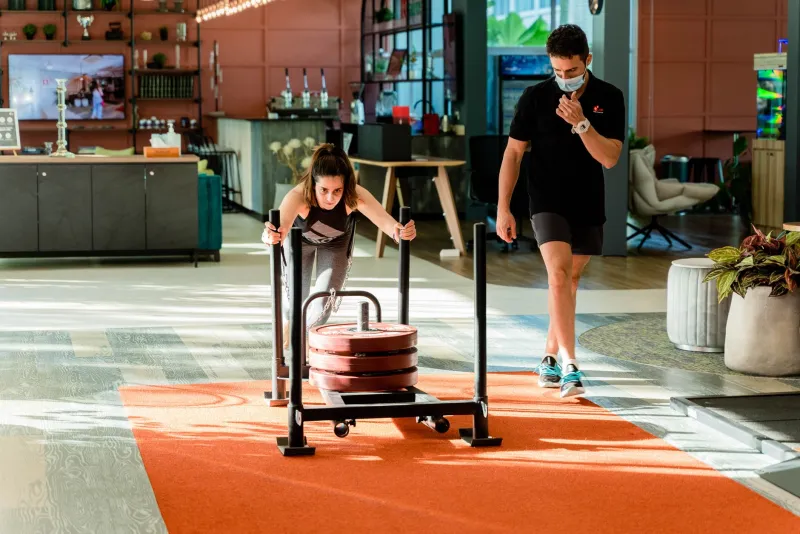
Walk into certain gyms in Los Angeles, Houston, or New York right now and you might notice something a little different. The coach in the corner isn't running the same cookie-cutter periodization program you've seen a hundred times. He's watching his athlete move before he's prescribing anything. He's asking questions about sleep, about stress, about what that person ate three days ago. He's taking notes by hand.
Chances are, he learned how to coach in Turkey.
Over the last several years, a slow but steady stream of elite Turkish strength and physique coaches has made its way to the American fitness market. Some came through professional connections. Some followed athletes who relocated. Some simply saw an opportunity in a market that, for all its size and money, has some glaring blind spots in how it develops competitive bodybuilders. Whatever the reason, they're here — and the American athletes working with them are noticing results that are genuinely hard to explain any other way.
This is the story of that migration, and more importantly, what these coaches are actually doing differently.
Why America, Why Now
To understand why Turkish coaches are moving stateside, you have to understand what the Turkish coaching environment actually looks like. Turkey has a long and serious tradition of combat sports — wrestling in particular — and that foundation shapes how strength coaches think about the body. The emphasis isn't just on adding mass or hitting numbers. It's on functional development, structural balance, and what Turkish coaches often describe as "the complete athlete."
Coach Murat Demir, who relocated from Ankara to the Dallas area four years ago and now works with a roster of competitive Classic Physique athletes, puts it plainly: "In Turkey, you learn to read the body first. The program comes second. Here, I see many coaches hand someone a spreadsheet on day one. They don't even know how that person moves yet."
That gap — between program-first and athlete-first coaching — turns out to be enormous in practice. And American gym owners, at least the smart ones, are starting to recognize it.
The demand side of the equation matters too. American bodybuilding is in a moment of real aesthetic evolution. Classic Physique has exploded in popularity. Judges are rewarding symmetry, proportion, and flow in ways that align closely with what Turkish coaches have been training toward for decades. The market, in other words, finally caught up to the methodology.
What They're Teaching Behind Closed Gym Doors
So what exactly are these coaches bringing to the table that's different? It's not one single thing — it's a cluster of principles that, taken together, produce a noticeably different kind of athlete.
Structural assessment before programming. Almost universally, Turkish coaches who've made the move describe spending significant time in early sessions just watching their athletes move. Squats, hinges, carries, single-leg work — not as training, but as diagnostic tools. Coach Elif Yıldız, who works with women's physique competitors in the Miami area, says she typically spends two full sessions on movement screening before she writes a single line of programming. "American athletes think this is wasting time," she laughs. "Six weeks later, they understand."
Periodization rooted in traditional wrestling prep cycles. Turkish strength culture borrows heavily from oil wrestling (yağlı güreş) and freestyle wrestling preparation, which involves very deliberate loading and unloading phases tied to competition calendars. When applied to bodybuilding, this produces athletes who peak more reliably and recover more fully between shows — a chronic problem in American competitive culture, where many athletes are perpetually under-recovered.
Nutrition philosophy that's culturally intuitive. Turkish cuisine happens to align remarkably well with bodybuilding nutrition principles — high protein, quality fats, complex carbohydrates, fermented foods, anti-inflammatory herbs and spices. Turkish coaches don't necessarily prescribe a Turkish diet to their American clients, but the underlying framework — whole foods, timing sensitivity, gut health awareness — translates directly. Several coaches interviewed for this piece mentioned that their American clients often overcomplicate nutrition, chasing exotic supplements when their actual food quality is poor.
Relationship-based client management. This one is harder to quantify but consistently comes up. Turkish coaching culture places a high value on the coach-athlete relationship as something personal, not transactional. Check-ins are frequent and conversational. Life stress is treated as a training variable. There's an expectation of mutual respect and long-term commitment that many American athletes find unfamiliar at first — and then refuse to give up once they've experienced it.
What American Athletes Are Saying
The athletes working with these coaches are, without exception, enthusiastic.
Jordan Kessler, a 31-year-old Classic Physique competitor from Phoenix, started working with Turkish coach Serkan Arslan two years ago after plateauing for nearly 18 months with two different American coaches. "I thought I needed a new program," Jordan says. "Serkan told me I needed a new relationship with training. I didn't totally get it at first. Now I'm six pounds lighter and sitting on the best conditioning I've ever brought to a stage."
That theme — less weight, better conditioning, better symmetry — comes up repeatedly. It speaks to a coaching philosophy that prioritizes quality of muscle over sheer quantity, which is precisely what Classic Physique judging rewards right now.
Amanda Torres, a women's physique athlete based in Chicago, describes her experience with her Turkish coach as "the first time someone actually coached me instead of just checking in on my macros." She placed second at a regional NPC show last spring, her best result in five years of competing.
Why American Gyms Are Quietly Recruiting Them
On the business side, gym owners and facility directors are starting to connect the dots. A Turkish coach with a strong track record of stage-ready athletes is a marketing asset. Word spreads fast in competitive bodybuilding communities, and athletes follow results.
Several gym owners in major metro areas confirmed — off the record — that they've actively recruited Turkish coaches or made special arrangements to bring them on as contractors. The value proposition is simple: these coaches produce athletes who win, and winning athletes attract more athletes.
There's also a cultural cachet element. The Turkish bodybuilding scene has gained serious international credibility over the past decade. Having a coach with roots in that tradition carries weight in competitive circles, especially among athletes who've done their research.
The Bigger Picture for Turkish-American Fitness Culture
What's happening with these coaches is part of a broader story that Bodybuilding Türkiye has been tracking for a while — the steady integration of Turkish athletic culture into the American fitness mainstream. It's not assimilation. It's more like cross-pollination. Turkish coaches aren't abandoning their methods to fit American expectations. They're finding that American athletes, when given the chance, are hungry for exactly what those methods offer.
The iron roots run deep. And right now, they're growing on both sides of the Atlantic.
If you're a competitive athlete who's been stuck, frustrated, or just curious about what a different coaching philosophy might do for your development — it might be worth finding out who's coaching in your city. The person in the corner taking handwritten notes might be exactly who you've been looking for.