Why Classic Physique Is Becoming Turkey's Division — And What American Competitors Need to Know
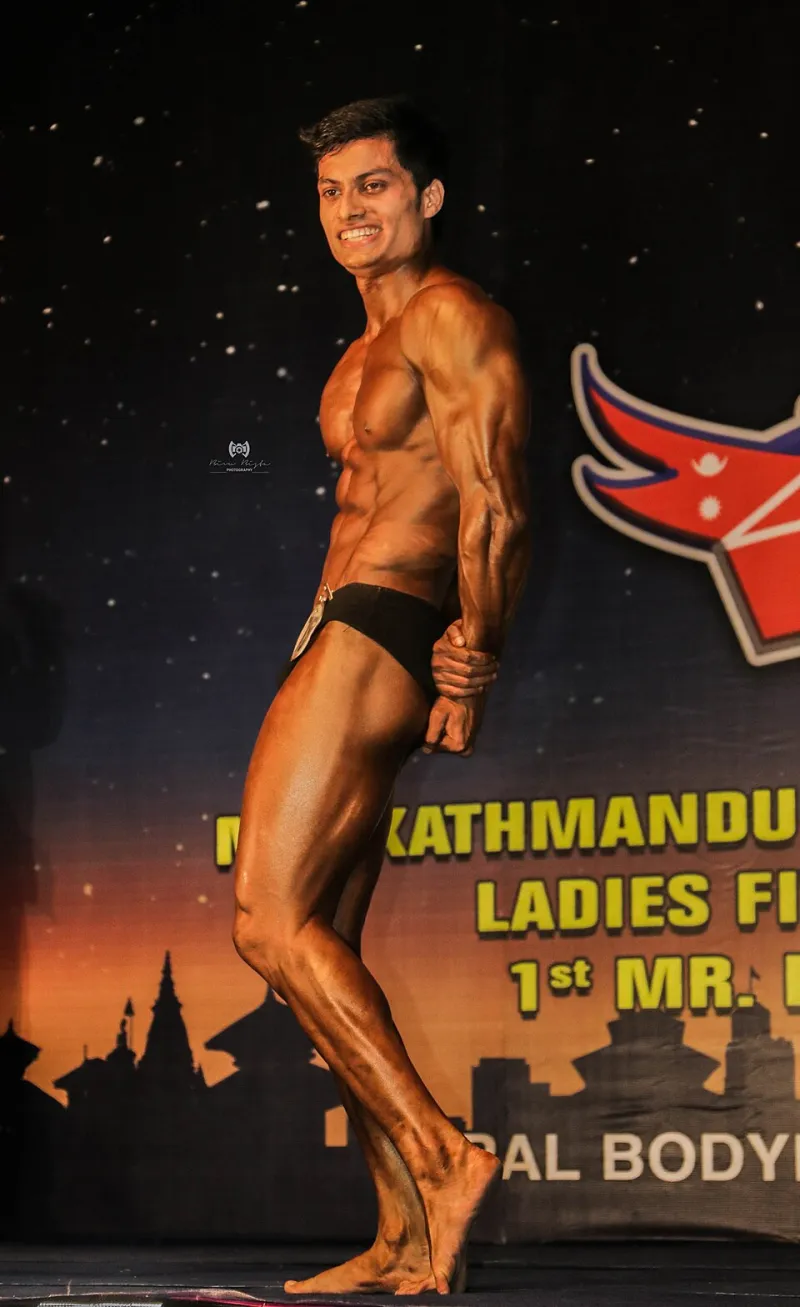
Photo: Fktmjohn1, CC BY-SA 4.0, via Wikimedia Commons
The Numbers Don't Lie
If you've been paying attention to classic physique results over the past couple of years, you've probably noticed a pattern. Turkish names keep appearing on scoreboards — not just at regional qualifiers, but at national-level and international contests where the competition is genuinely fierce. In 2024, that trend has accelerated in a way that's hard to ignore.
Data from competition result archives tracked by the IFBB and NPC show a measurable uptick in Turkish-born and Turkish-heritage athletes placing in the top five of classic physique categories. While exact numbers fluctuate by federation, coaches and promoters who've been in the game for decades are saying the same thing: Turkey is producing classic physique competitors at a rate that was nearly unimaginable a decade ago.
So what's actually driving this? Is it a training trend, a cultural moment, or something deeper?
Proportion Is Baked Into the Culture
Here's something American lifters might not immediately appreciate: the aesthetic ideals that classic physique judges reward — a tapered waist, full shoulders, balanced leg development, and that classic V-taper silhouette — aren't new concepts in Turkish physical culture. They've been there for centuries.
Look at traditional Turkish wrestling, Ottoman warrior imagery, or even the hammam culture of the old empire, and you'll find a consistent reverence for the functional, proportional physique. Not the biggest guy in the room, but the most complete one. That aesthetic standard is embedded in how Turkish coaches have always talked about the body. When classic physique emerged as a competitive division, many Turkish athletes essentially said, "This is what we've been training for our whole lives."
Coach Tarık Yıldız, who has worked with competitive bodybuilders in both Istanbul and New Jersey, put it plainly in a recent conversation: "In Turkey, we don't chase just mass. We chase shape. Classic physique didn't change how we trained — it just finally gave us a stage that matched our values."
The Competitors Making Noise Right Now
A few names have been generating serious buzz in 2024 competition circles.
Emre Kaya, competing out of the NPC's Northeast region, has placed in the top three at back-to-back regional shows this year. His conditioning — particularly his midsection control and hamstring-to-glute tie-in — has drawn comparisons to the aesthetic benchmarks judges are looking for at national qualifiers. Kaya trains six days a week using a modified push-pull-legs split with a heavy emphasis on posing practice, which he credits to the influence of his uncle, a former Turkish national-level competitor.
Serkan Doğan, based out of the Chicago area, took his overall classic physique title at a regional Illinois show in early spring. His prep coach, who trained in Ankara before relocating to the US, runs a periodization model that emphasizes structural balance testing at every phase of prep — not just in the final weeks. Doğan has spoken publicly about how his Turkish training roots gave him a foundation that most of his American competitors simply didn't have coming into the sport.
These aren't isolated cases. Across the Midwest and Northeast — regions with larger Turkish-American communities — local promoters are noting a consistent presence of Turkish-heritage athletes in classic physique lineups.
What the Training Actually Looks Like
The methodology behind Turkish success in this division isn't mysterious, but it is disciplined in a way that separates serious athletes from casual competitors.
First, there's the obsessive focus on structural symmetry from day one. Turkish coaches tend to assess bilateral strength imbalances early and address them aggressively — not just for injury prevention, but because classic physique judges will notice if one lat is fuller than the other or if your right quad sweeps differently than your left.
Second, posing is treated as a separate athletic skill, not an afterthought. In many American gyms, competitors spend maybe a few weeks learning their poses before a show. Turkish training culture treats posing practice as a year-round discipline. The ability to present the body under pressure, control your breathing, and hit marks consistently — that's trained, not assumed.
Third, conditioning targets are set earlier in prep cycles. Rather than crash-dieting into a show, Turkish-influenced prep tends to use longer, more gradual cuts that preserve muscle tissue and allow the athlete to actually fill out their classic physique frame rather than shrinking into it.
What American Competitors Can Take From This
If you're competing in classic physique or thinking about making the jump, there are real, actionable lessons here.
Start with a symmetry audit. Have someone film your posing from multiple angles and compare left-to-right development honestly. Address imbalances in your training before they become judging liabilities.
Invest in posing coaching early. Don't treat it like a week-before-the-show thing. The Turkish athletes who are winning aren't just in better shape — they're presenting better. That's a skill gap you can close.
Think about proportion targets, not just weight targets. Classic physique has weight caps relative to height. But beyond the cap, what does your ideal stage weight actually look like? Turkish competitors tend to have a clearer vision of their target physique because they've been thinking about proportion — not just size — from the beginning.
The Division's Future Has a Turkish Accent
Classic physique is still a relatively young division in competitive bodybuilding, which means its culture and competitive identity are still being written. The fact that Turkish athletes are entering that conversation with such momentum in 2024 isn't coincidence — it's the product of a training philosophy that was always built for exactly this kind of stage.
For American competitors, that's not a threat. It's a blueprint. The principles these athletes carry — proportion over mass, presentation as a skill, and a long view on development — are available to anyone willing to adopt them.
The division is getting more competitive every year. The Turkish athletes already figured out why. Now you know too.