The Recovery Stack You've Never Heard Of: Turkish Bodybuilding Secrets That Actually Have Science Behind Them
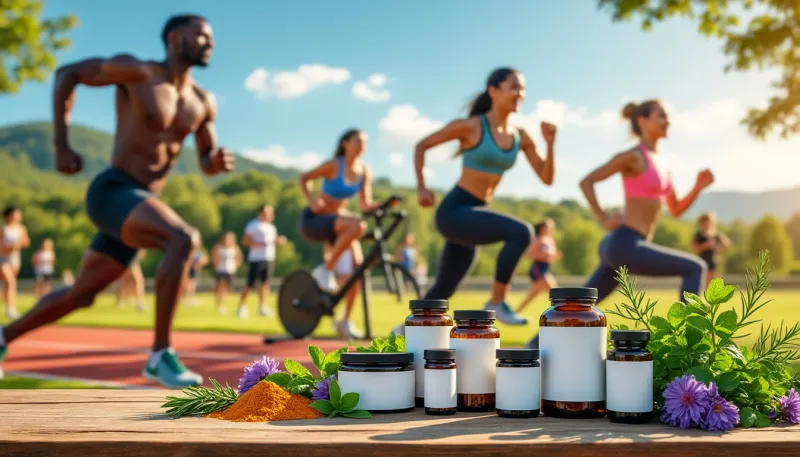
Photo: athlete recovery herbal tea natural supplements wellness spa, via healthy-herbal.com
The Conversation Nobody's Having at the Supplement Store
Walk into any GNC or supplement shop in the US and you'll find the same wall of products — creatine, BCAAs, protein powders, pre-workouts with names that sound like energy drinks from another dimension. It's a solid foundation. But it's also a remarkably narrow one when you consider how much of the world's athletic tradition exists outside that ecosystem.
Turkish bodybuilders — both those competing in Turkey and those who've brought their training culture to the US — operate from a recovery philosophy that blends modern sports science with traditional Anatolian wellness practices. The result is an approach to post-training recovery that's genuinely different from mainstream American fitness culture, and in several meaningful ways, more effective.
We talked to coaches, athletes, and a sports nutritionist with roots in both traditions to break down what's actually happening — and what you can realistically incorporate into your own recovery protocol.
Black Seed Oil: From the Spice Market to the Recovery Stack
If you've spent any time around Turkish households, you've probably encountered çörek otu yağı — black seed oil, pressed from Nigella sativa seeds. In Turkish culture, this stuff is practically a cure-all, and while most cure-alls don't survive contact with research, black seed oil has fared surprisingly well.
A growing body of peer-reviewed literature has examined thymoquinone, the primary active compound in black seed oil, and found meaningful anti-inflammatory effects. For bodybuilders specifically, inflammation management isn't just about feeling less sore — it's about protecting joint tissue, maintaining training frequency, and allowing muscle protein synthesis to proceed without the interference of chronic systemic inflammation.
Coach Murat Arslan, who trains competitive athletes out of a facility in New Jersey and grew up in Bursa, says black seed oil has been in his athletes' protocols for years. "My grandfather took it every morning. I thought it was just an old thing. Then I started looking into the research and realized there was actually something there. Now every athlete I work with takes it during heavy training blocks."
Typical usage among Turkish athletes runs about one to two teaspoons daily, usually taken with food. It's not replacing your fish oil — it's adding another layer of anti-inflammatory support that most American athletes simply aren't getting.
The Hammam Effect — And What It Tells Us About Heat Therapy
The Turkish bath, or hammam, is one of the most enduring institutions in Turkish culture. And while its benefits have been discussed in wellness circles for years, the specific application to bodybuilding recovery is worth examining more carefully.
Regular heat exposure — whether through traditional steam bathing or modern sauna protocols — has a well-documented effect on recovery markers. Research has shown that heat stress triggers heat shock proteins, which play a role in muscle repair. It also improves circulation, which helps clear metabolic waste products from muscle tissue faster after hard training sessions.
Turkish athletes who've grown up with hammam culture often have an intuitive relationship with heat therapy that American athletes are only now discovering through the popularization of sauna use in sports performance circles. The difference is consistency. Where an American lifter might hit the sauna occasionally, Turkish-influenced training culture treats heat exposure as a regular, structured recovery tool — not a luxury.
If you don't have hammam access, a quality infrared sauna or even a consistent hot bath protocol can approximate the effect. The key, as Turkish coaches emphasize, is making it a habit rather than an occasional indulgence.
Herbal Teas as Functional Recovery Beverages
This one might raise some eyebrows in a culture that defaults to protein shakes, but stay with us.
Several herbal teas common in Turkish daily life have legitimate functional applications for athletes. Ihlamur — linden flower tea — has been shown to have mild anti-inflammatory and muscle-relaxing properties. Adaçayı, or sage tea, contains compounds that may support cognitive recovery and reduce oxidative stress. And the ubiquitous Turkish apple tea, while more of a cultural comfort drink, still delivers antioxidant activity that contributes to the broader recovery picture.
The mechanism here isn't magic — it's cumulative antioxidant and anti-inflammatory load. Turkish athletes aren't drinking these teas instead of eating protein or sleeping enough. They're drinking them on top of solid nutritional foundations, adding another layer of recovery support through a habit that feels natural rather than clinical.
"Americans think recovery is something you buy at the supplement store," says sports nutritionist Dr. Selin Çelik, who consults with athletes in both the US and Turkey. "Turkish athletes think recovery is something you build into your whole day — the food, the tea, the bath, the sleep. It's a system, not a product."
Magnesium: The Mineral Turkish Athletes Don't Skip
This one isn't uniquely Turkish, but the emphasis Turkish coaches place on it is worth highlighting. Magnesium deficiency is remarkably common among hard-training athletes, and its effects on recovery are significant — poor sleep quality, increased muscle cramping, impaired protein synthesis, and elevated cortisol levels are all associated with low magnesium status.
Turkish dietary patterns, which lean heavily on nuts, seeds, legumes, and whole grains, tend to provide more dietary magnesium than the average American diet. Turkish coaches who've worked with American athletes often cite magnesium supplementation as the first thing they add to a US athlete's protocol.
Transdermal magnesium — applying magnesium oil directly to sore muscles — is also a practice you'll find among Turkish athletes, particularly for targeted relief after leg day or heavy back sessions. The research on transdermal absorption is less definitive than oral supplementation, but anecdotal reports from athletes using it consistently are strong enough that it's worth experimenting with.
Separating the Folklore From the Function
Not everything in traditional Turkish wellness culture translates directly to bodybuilding performance. Some remedies are genuinely cultural artifacts with limited scientific support. The goal here isn't to romanticize tradition — it's to identify where tradition and evidence actually converge.
Black seed oil, heat therapy, magnesium optimization, and a diet-first approach to recovery support all clear that bar. They're not replacements for sleep, protein intake, and progressive training. They're additions that can meaningfully move the needle when the fundamentals are already solid.
The broader lesson Turkish athletic culture offers isn't really about any specific supplement or practice. It's about the mindset that recovery is a full-time project — something you're either investing in consistently or neglecting by default.
American bodybuilders are some of the hardest-working athletes on the planet when it comes to time under the bar. The gap, increasingly, is on the recovery side. Turkish athletes have been filling that gap for generations. The tools are available to anyone willing to look past the supplement store shelf.