Breathe Heavy, Lift Heavier: The Turkish Strength Secret Hidden in Plain Sight
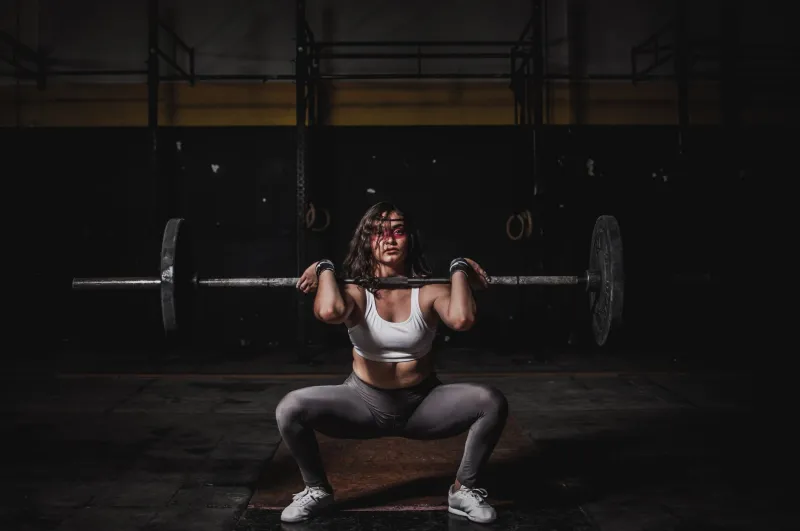
Most American lifters obsess over the obvious stuff — progressive overload, protein targets, sleep quality. And look, that stuff matters. But there's a piece of the puzzle that Turkish strength athletes have been working with for decades that almost nobody in US gym culture talks about seriously: breathing.
Not the vague "remember to breathe" advice your high school PE teacher gave you. We're talking about structured, deliberate respiratory protocols that Turkish weightlifters and bodybuilders use to generate intra-abdominal pressure, improve oxygen efficiency, and push past strength ceilings that most lifters assume are just genetic limits.
It sounds simple. It is not simple. And once you understand what's actually happening physiologically, you'll never approach a heavy set the same way again.
The Valsalva Isn't New — Turkey's Been Doing It Right for a Long Time
If you've spent any time in serious lifting circles, you've heard of the Valsalva maneuver — the technique where you take a deep breath, brace your core, and hold that pressure through the hardest portion of a lift. Sports science loves it. Powerlifting communities swear by it.
But here's what often gets lost in the American conversation: the quality of the breath matters just as much as the act of holding it.
Mehmet Arslan, a strength and conditioning coach based in Ankara who has worked with both Turkish national-level lifters and athletes competing abroad, puts it bluntly. "American athletes often hold their breath from the chest," he says. "Turkish lifters are taught from the beginning to breathe from the belly first. You fill the diaphragm, you create a 360-degree brace, and then you hold. The pressure is completely different."
That distinction — diaphragmatic loading versus chest breathing — is the foundation of everything else in Turkish respiratory training methodology.
Why Intra-Abdominal Pressure Is the Real Unlock
Here's the physiology in plain language. When you take a deep diaphragmatic breath and brace your entire trunk — front, back, and sides — you dramatically increase intra-abdominal pressure (IAP). That pressure acts like a natural lifting belt, stabilizing the spine and transferring force more efficiently from your lower body through your torso and into the bar.
Research published in the Journal of Strength and Conditioning Research has confirmed that higher IAP correlates directly with improved force production during heavy compound movements. This isn't fringe science. Olympic lifting coaches have known this for a long time.
What makes the Turkish approach distinct is how systematically it's taught — and how early. In Turkish weightlifting clubs, breathing mechanics are introduced alongside the foundational movement patterns. It's not an afterthought. It's infrastructure.
"We teach the breath before we teach the squat," says Leyla Demir, a former competitive weightlifter turned coach who now runs online programming for Turkish-American athletes. "If the breath is wrong, the lift is built on a weak foundation. It doesn't matter how strong your legs are."
The Three-Phase Protocol Turkish Coaches Actually Use
So what does this look like in practice? Coaches like Arslan break the breathing protocol into three distinct phases for heavy compound work.
Phase one: Pre-set loading. Before you even step up to the bar, you take two or three controlled diaphragmatic breaths — slow inhales through the nose, expanding the belly outward, followed by a full exhale. This isn't just calming nerves. It's priming the diaphragm and activating the parasympathetic system so your body isn't fighting itself when you go to lift.
Phase two: The setup breath. Once you're under the bar or over the pull, you take one final deep belly breath and hold it — not a shallow chest puff, but a full expansion that pushes outward in every direction. Arslan describes it as "filling a barrel, not a balloon." The brace is 360 degrees. Obliques, lower back, pelvic floor — everything locks in around that breath.
Phase three: Controlled release. The exhale happens at the top of the movement or after the hardest sticking point is cleared. For squats, that's above parallel on the way up. For deadlifts, it's once the bar passes the knees. The release is controlled — not a sudden gasp — so pressure doesn't drop before the rep is fully completed.
"If you exhale too early, you lose the brace and the spine is exposed," Demir explains. "If you hold too long, you risk dizziness or a blood pressure spike. The timing is a skill. You have to practice it like any other skill."
Oxygen Efficiency Between Sets: The Part Nobody Talks About
The breathing work doesn't stop when the set ends. Turkish coaches place significant emphasis on recovery breathing between sets — a practice that has more science behind it than most gym-goers realize.
The idea is straightforward: how quickly you restore blood oxygen levels and clear carbon dioxide between sets directly affects your readiness for the next one. Shallow, anxious breathing after a hard set keeps your sympathetic nervous system elevated and slows recovery. Slow, deep nasal breathing accelerates the return to baseline.
Some Turkish coaches incorporate box breathing — a technique borrowed from military and athletic performance contexts — between heavy sets. Four counts in, four counts hold, four counts out, four counts hold. It sounds almost meditative, and in a way it is. But the practical outcome is measurable: athletes report feeling more composed and physically ready for subsequent sets compared to their previous approach of just pacing around and gasping.
"The rest period is not wasted time," Arslan says. "It is training time. What you do with your breath between sets determines what you can do in the next set."
Bringing It Into Your Own Training
If you're training in an American commercial gym, you're probably not going to find a coach walking you through diaphragmatic loading protocols before your working sets. That's okay. You can build this in yourself, and it doesn't require any equipment or a major overhaul of your program.
Start with this: before your next heavy squat or deadlift session, spend five minutes lying on your back practicing belly breathing. Hand on your stomach, breathe in through the nose, feel the belly rise — not the chest. Do this until it feels natural. Then take that pattern to the bar.
On your working sets, make the setup breath a deliberate ritual. Don't rush it. Take the time to fill the diaphragm completely before you initiate the lift. Notice how the brace feels different when the breath is full versus partial.
Track your numbers over the next four to six weeks. Plenty of athletes who've implemented this report meaningful jumps in working weight — not because they got stronger overnight, but because they started using the strength they already had more efficiently.
The Bigger Picture
Turkish strength culture has always understood that the body is a system. Strength isn't just about muscle — it's about how all the components work together, and breathing is one of the most fundamental components of all. It's the one thing every single rep has in common.
American lifting culture is incredibly good at optimizing the things you can see — muscle size, bar weight, body composition. The invisible stuff — breath, bracing, nervous system management — tends to get less attention than it deserves.
The Turkish approach says: master the invisible, and the visible takes care of itself.
Your next plateau might not be waiting for more weight on the bar. It might be waiting for you to finally breathe right.